The Blog on 3d interior rendering
Redefining Spaces with the Power of 3D Interior Rendering
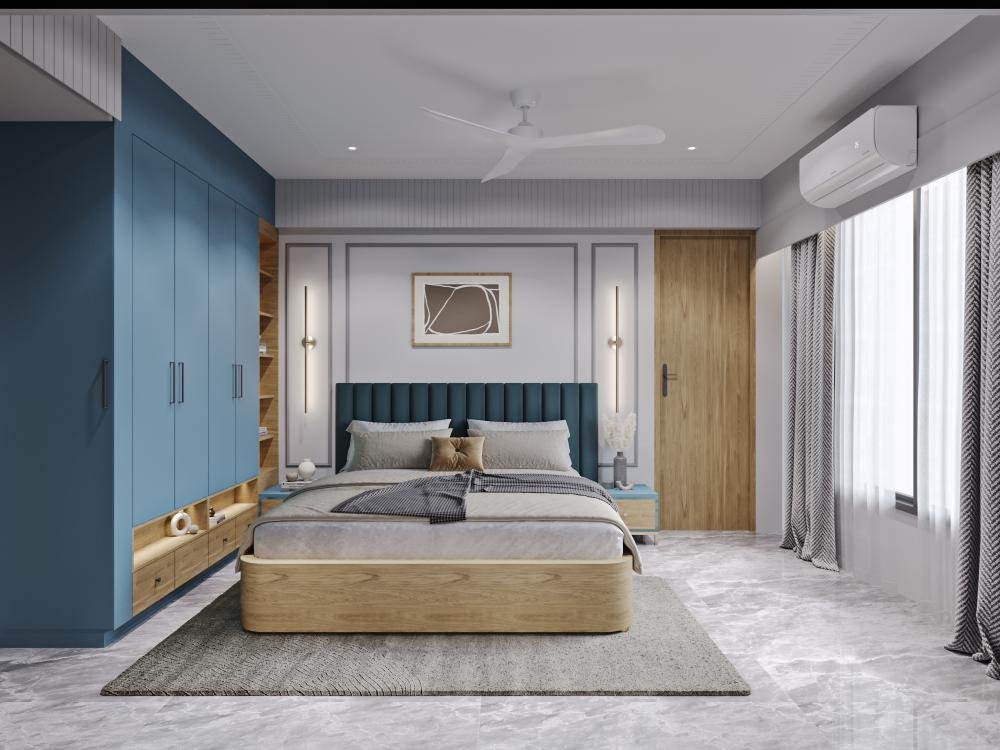
The discipline of interior design has transformed far beyond sketches and floor layouts. Today, 3D interior rendering serves as a game-changing tool that helps designers, architects, and clients to experience interiors in stunning detail before a single item is arranged. This technology fuses creativity with precision, allowing professionals to express design intent with realistic clarity and visual strength. Whether it’s a stylish apartment, a high-end villa, or a commercial office space, 3D rendering transforms every idea into reality with light, texture, and perspective.
Through detailed interior visualisations, designers can experiment with multiple styles, materials, and colour schemes while giving clients a true-to-scale sense of space. This level of immersion ensures that design choices are informed, efficient, and aligned with both aesthetic goals and functional needs.
The Essence of 3D Interior Rendering
At its core, 3D interior rendering is a digital process that transforms architectural blueprints into detailed visual representations of interior spaces. Using state-of-the-art software, designers model décor, flooring, lighting, and textures to create captivating visuals that replicate real-world conditions. This technology enables clients to virtually “walk through” their design concepts, grasping proportions and design elements from every angle.
Unlike traditional 2D drawings, 3D renderings provide clarity and perspective that inspire confidence and clarity. From the reflection of natural light on a marble surface to the contrast effects created by pendant lighting, every aspect is thoughtfully rendered to mimic reality. This allows stakeholders to make informed design decisions early in the process, reducing costly revisions later during construction or furnishing.
Benefits of 3D Interior Rendering for Designers and Clients
One of the greatest advantages of 3D interior rendering lies in its ability to bridge idea and implementation. For designers, it becomes a design laboratory to innovate with new layouts and finishes without physical limitations. For clients, it provides an opportunity to immerse in their dream space before it comes to life.
Renderings can showcase various design alternatives quickly, helping clients choose the one that best reflects their style. It also facilitates better communication between all parties involved — architects, designers, contractors, and clients — ensuring everyone shares a consistent vision. The result is a smoother workflow, fewer misunderstandings, and a highly efficient design process.
How 3D Rendering Enhances Visual Communication
Visual communication is the heart of design success. With 3D interior rendering, complex design concepts can be presented with precision and impact. Clients no longer need to interpret abstract floor plans; instead, they can experience lifelike visuals that depict lighting ambience, spatial arrangement, and décor balance.
This clarity builds trust and excitement, turning presentations into powerful storytelling experiences. For instance, a hospitality designer can showcase the warmth of a hotel lobby, while a residential designer can demonstrate how natural light interacts with a living room’s textures throughout the day. Such details allow clients to appreciate the design, leading to quicker approvals and stronger client relationships.
Applications Across Industries
While interior rendering is closely associated with residential and commercial design, its applications reach multiple industries. Real estate developers use it for promotion projects, allowing potential buyers to visualise completed spaces long before construction finishes. Retailers utilise it to display how products will appear within real interiors, while hospitality designers rely on it to design hotels, restaurants, and lounges that combine comfort with aesthetic appeal.
Corporate offices also benefit greatly from 3D interior rendering, as businesses can evaluate design layouts, furniture placements, and branding elements before implementation. In healthcare and educational sectors, it assists in designing accessible environments that enhance comfort, accessibility, and productivity. The versatility of 3D rendering ensures that every industry can leverage its potential for visual excellence and informed decision-making.
Precision in Lighting, Textures, and Materials
Lighting and materials play a essential role in shaping the atmosphere of any space. Through 3D interior rendering, designers can control artificial and natural lighting to mimic real-world conditions. This helps in understanding how different fixtures affect mood, tone, and visual depth. Similarly, textures and materials such as wood, stone, fabric, and metal are rendered with remarkable accuracy to provide a convincing preview.
These details are essential not only for aesthetic evaluation but also for practical decision-making. For example, seeing how matte and glossy finishes behave under different lighting conditions can influence material choices that align with the client’s budget.
Improving Efficiency and Reducing Costs
Traditional design revisions often lead to project slowdowns and higher costs. However, 3D interior rendering reduces these challenges by allowing designers to spot and resolve potential issues early. By visualising the space beforehand, discrepancies in scale, proportion, or layout can be corrected digitally, avoiding expensive alterations later on.
Additionally, virtual staging can replace the need for physical prototypes and mock-ups, saving both time and resources. For developers and marketers, rendered interiors can also serve as promotional assets for brochures, digital campaigns, and presentations, eliminating the need for costly photo shoots. This makes 3D rendering not only a aesthetic solution but also a economic investment.
Bringing Emotion into Design Visualisation
Design is more than geometry and colour — it’s about stirring response. Through 3D interior rendering, designers can illustrate the intangible elements of ambience and mood that make a space truly feel alive. Whether it’s the warmth of morning sunlight spilling into a kitchen or the serene glow of a softly lit bedroom, renderings enable visual empathy through visual design.
This human-centric approach ensures that each visual inspires the viewer, transforming design presentations into personal encounters. When clients can connect with the atmosphere of a rendered space, they are more likely to endorse and approve the proposed design direction with enthusiasm.
Future of Interior Design with 3D Rendering
The integration of smart automation and immersive technology into 3D interior rendering is transforming how designers work. AI-powered tools now enhance material selection, lighting simulation, and spatial optimisation, while virtual reality provides interactive experiences that make design exploration interactive. Clients can now “experience” their homes or offices before they are built, paving the way for more personalised and forward-thinking design outcomes.
As technology continues to evolve, real-time rendering and augmented reality will further empower designers to collaborate seamlessly and make instant adjustments during presentations. The future of interior design lies 3d interior rendering in this convergence of technology and creativity, where imagination is no longer bound by traditional constraints.
Conclusion
In today’s innovation-driven design world, 3D interior rendering has emerged as an vital tool that combines art, science, and technology to create beautifully detailed and technically accurate interiors. It simplifies complex ideas, strengthens collaboration, and helps clients make confident decisions backed by lifelike visuals. From residential spaces to corporate environments, the ability to visualise before execution ensures beauty and practicality go hand in hand. As innovation continues to reshape the design industry, 3D interior rendering will remain at the forefront of making design dreams tangible.